
From Burnout to Blogger Freedom
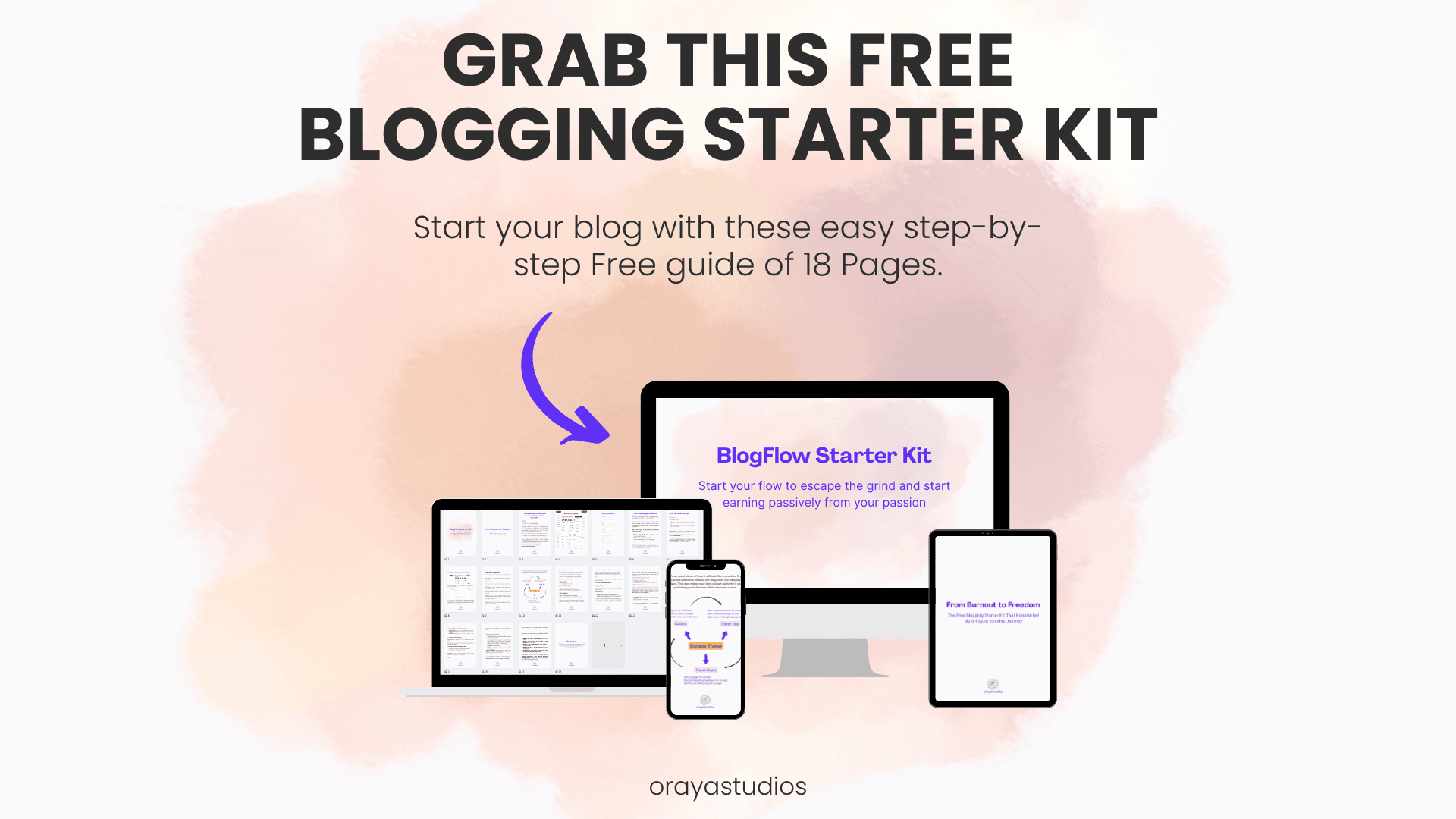
Steal my free BlogFlow Starter Kit
I turned my burnout into blogging freedom — now I’m sharing the exact steps that helped me build a 5-figure blog. Download your free kit and start yours today.
No credit card required!
Feeling overwhelmed by finances? Learn how to set simple money boundaries to reduce stress, save more, and build a life aligned with your values.
Feeling a little stressed about money? It’s a quiet weight many of us carry. You want to be generous with your time and resources, but you also need to protect your own financial peace. The good news is that you can find a beautiful balance. This is where money boundaries come in—gentle, clear lines you draw to protect your financial and emotional well-being.
Think of money boundaries not as restrictions, but as a form of self-care. They are simple, intentional choices that help you align your spending with what truly matters to you. By setting them, you create space to breathe, reduce financial anxiety, and build a more secure future. This guide will walk you through, step by step, how to create and maintain healthy money boundaries that feel good and support the life you want to live.
Understanding Your Current Money Habits
Before you can build something new, it’s helpful to understand where you are right now. This first step is about gentle observation, not judgment. Let’s take a quiet moment to look at your current relationship with money.
Identify Your Existing Boundaries (or Lack Thereof)
Take a moment to reflect on your recent financial interactions.
- When a friend asks to borrow money, what is your immediate reaction?
- Do you feel pressured to split the bill evenly, even if you ordered less?
- Do you find yourself making impulse purchases online after seeing an ad?
These small moments reveal the unwritten rules you live by. Maybe you always say yes to requests for money because you want to be seen as helpful. Perhaps you avoid looking at your bank account because it feels overwhelming. Simply notice these patterns without any pressure to change them just yet. This awareness is the first, most important step.
Explore the Origins of Your Money Beliefs
Your feelings about money didn’t just appear overnight. They are often rooted in your childhood and early experiences. What did you learn about money growing up?
- Was money a source of stress or security in your family?
- Were you taught to save diligently or to spend freely?
- Did your parents talk openly about finances, or was it a taboo topic?
Your past experiences shape your present behavior. Understanding this connection helps you see your habits with more compassion. You can begin to separate what you were taught from what you truly believe. This gentle exploration empowers you to choose a new path forward.
Assess the Impact on Your Financial Health
Now, connect these patterns to your current financial well-being. How do your current boundaries affect your life?
- Does lending money to others leave you short on your own bills?
- Does impulse spending prevent you from saving for a goal you care about, like a vacation or a creative project?
- Does a lack of boundaries cause you to feel anxious or resentful?
Seeing the direct impact of your habits can be a powerful motivator for change. It clarifies why setting healthy money boundaries is so important. This isn’t about deprivation; it’s about creating a financial life that feels calm, stable, and aligned with your dreams.
How to Set Healthy Money Boundaries
With a clearer understanding of your starting point, you’re ready to create boundaries that reflect your values. This process is about designing a financial life that feels intentional and brings you peace.
Define Your Financial Values and Goals
What truly matters to you? Your values are your compass. They guide your decisions and help you stay true to yourself. Take a few minutes to think about what you want your money to do for you.
- Is it security? Perhaps your goal is to build an emergency fund that gives you a sense of safety.
- Is it freedom? Maybe you want to save for travel or the flexibility to pursue a creative passion.
- Is it generosity? You might want to be able to give to causes you care about without feeling financially strained.
Write down your top three financial values. Next to each value, list a specific, achievable goal. For example, if your value is “security,” your goal might be “save $1,000 for an emergency fund in the next six months.” Having clear goals makes it easier to make decisions that align with them.
Learn to Say “No” Gracefully
Saying “no” can feel difficult, especially when you care about the person asking. But protecting your financial well-being is not selfish—it’s necessary. The key is to be kind, clear, and firm. You don’t need to over-explain or apologize.
Here are a few simple phrases you can use:
- “I’d love to help, but I’m not in a position to lend money right now.”
- “My budget is a bit tight this month, so I need to pass this time.”
- “I’m focusing on my financial goals right now, so I can’t contribute.”
Practice saying these phrases out loud. It might feel uncomfortable at first, but it gets easier with time. Remember, a simple “no” is a complete sentence.
Create Boundaries Around Lending to Friends and Family
Lending money to loved ones can strain relationships. To protect both your finances and your connections, it’s important to have clear boundaries.
- Decide on your policy ahead of time. Will you lend money at all? If so, how much are you comfortable lending?
- Treat it as a gift. A good rule of thumb is to only give what you can afford to lose. If you get it back, consider it a bonus. This removes the pressure and potential for resentment.
- Suggest other ways to help. If you can’t offer financial support, you can still show you care. Offer to help them create a budget, look for resources, or simply provide emotional support.
Establish Boundaries Around Your Spending
Creating boundaries with yourself is just as important as setting them with others. This helps you avoid impulse buys and stay on track with your goals.
- Implement a waiting period. For non-essential purchases over a certain amount (say, $50), wait 24 hours before buying. This gives you time to decide if you truly need it.
- Create a “fun money” budget. Allocate a specific amount of money each month for spontaneous treats or purchases. Once it’s gone, it’s gone. This allows for guilt-free spending while keeping you within your limits.
- Unsubscribe from temptation. Unsubscribe from marketing emails and unfollow social media accounts that trigger impulse spending. Create a calmer digital space for yourself.
Communicating and Enforcing Your Boundaries
Setting boundaries is the first step. The next is learning how to communicate and maintain them with confidence and consistency.
How to Communicate Your Boundaries Effectively
Clear communication is kind communication. When you share your boundaries, be direct and use “I” statements to express your needs without blaming others.
- Instead of: “You always ask me for money.”
- Try: “I am working on my financial goals, so I won’t be able to lend money moving forward.”
Choose a calm moment for the conversation, not in the middle of a request. Your tone should be warm but firm. You are simply stating your reality, not starting a conflict.
Techniques for Handling Resistance or Guilt
It’s natural for people to be surprised or even push back when you introduce a new boundary. It’s also normal for you to feel a pang of guilt. Be prepared for both.
- If someone pushes back: You don’t need to defend your decision. Simply and calmly repeat your boundary. A phrase like, “I understand this is difficult, but my decision is final,” can be helpful.
- If you feel guilty: Remind yourself why you set this boundary. Revisit your financial goals and values. Remember that taking care of your own needs allows you to show up better in all areas of your life. The guilt will fade as you become more confident in your choices.
The Importance of Consistency
Consistency is what makes your boundaries real. If you enforce them sometimes but not others, it sends mixed messages and makes it harder for people to take them seriously.
- Each time you stick to your boundary, you reinforce it for both yourself and others.
- It builds your self-trust and shows that you are committed to your financial well-being.
- It’s okay if you slip up. Just be gentle with yourself and recommit to your boundary the next time. Every day is a new opportunity to practice.
Protecting Your Boundaries in the Digital Age
Our online world is designed to make us spend. From targeted ads to one-click checkouts, it’s easy to get swept away. Here’s how to create mindful boundaries in your digital life.
Set Boundaries Around Online Spending and Subscriptions
The convenience of online shopping requires conscious effort to manage.
- Review your subscriptions. Take an hour this weekend to go through your bank statements and cancel any subscriptions you no longer use or value.
- Remove saved payment information. Deleting your credit card details from websites adds a layer of friction. That extra step of finding your wallet can be enough to prevent an impulse purchase.
Manage Your Exposure to Advertising
Your attention is valuable. Protect it from the constant pull of advertising.
- Use an ad-blocker. This simple tool can create a much calmer browsing experience.
- Curate your social media feed. Unfollow brands or influencers that make you feel like you need to buy more. Follow accounts that inspire you to live with less or focus on experiences over things.
Secure Your Financial Information Online
Protecting your financial data is a crucial digital boundary.
- Use strong, unique passwords for all your financial accounts. A password manager can help you keep track of them.
- Enable two-factor authentication (2FA) whenever possible. This adds an extra layer of security to your accounts.
- Be wary of phishing scams. Never click on suspicious links or provide personal information in response to an unsolicited email or text.
Embrace Your New Financial Calm
Creating and maintaining money boundaries is a practice of self-respect and intentional living. By understanding your habits, defining your values, and communicating your needs, you take back control of your financial life. You create a foundation of security that allows you to pursue your dreams with confidence and calm.
Remember to be patient and kind with yourself. This is a journey, not a destination. Each small step you take builds momentum and brings you closer to a life where you feel peaceful and empowered in your relationship with money.
For more gentle tips on creating a balanced and intentional life, you can explore our other resources or find daily inspiration on our Pinterest boards. You’ve got this.
From Burnout to Blogger Freedom
Steal my free BlogFlow Starter Kit
I turned my burnout into blogging freedom — now I’m sharing the exact steps that helped me build a 5-figure blog. Download your free kit and start yours today.
No credit card required!
travel
Berita Olahraga
Lowongan Kerja
Berita Terkini
Berita Terbaru
Berita Teknologi
Seputar Teknologi
Berita Politik
Resep Masakan
Pendidikan