
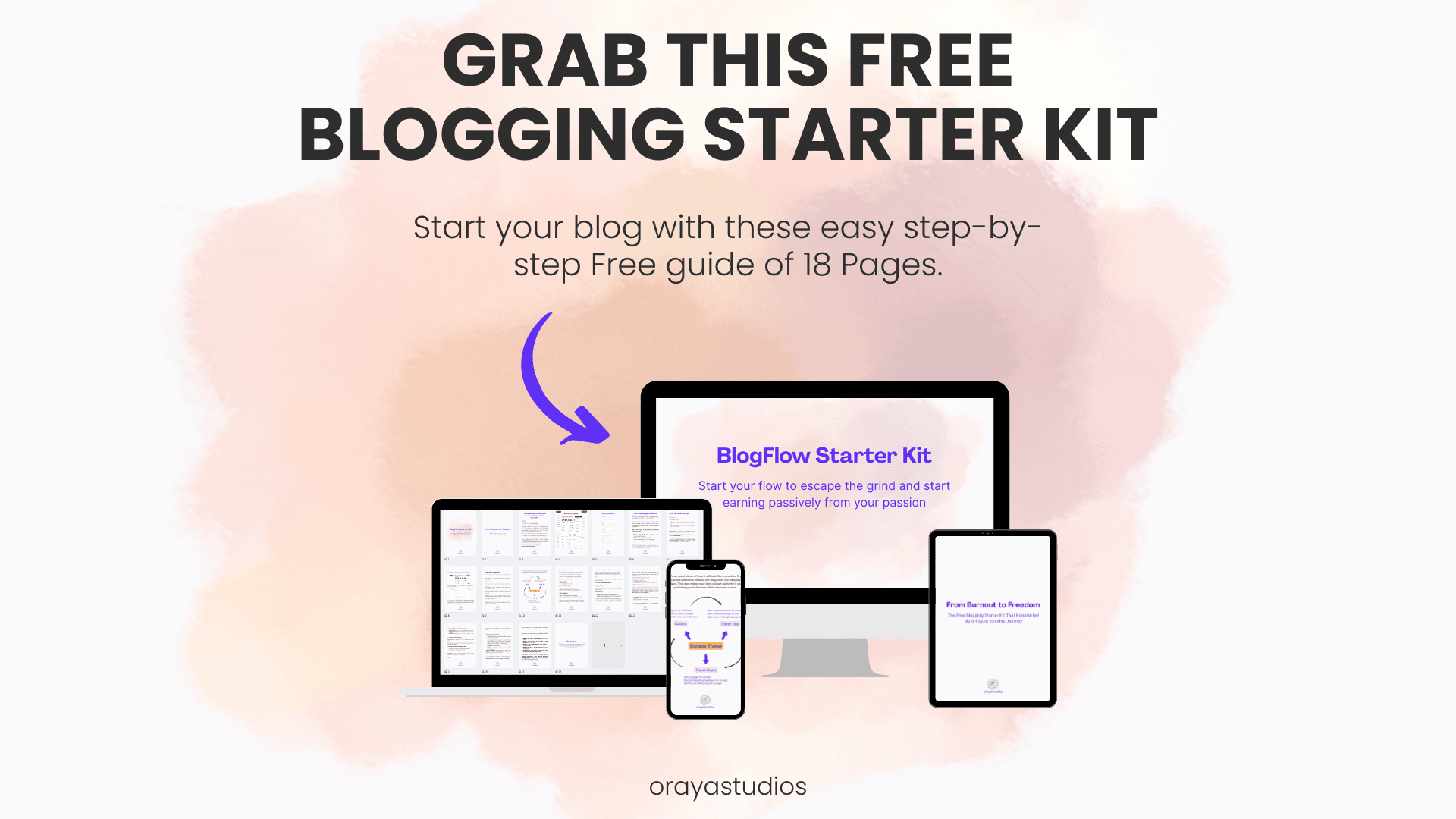
From Burnout to Blogger Freedom
Steal my free BlogFlow Starter Kit
I turned my burnout into blogging freedom — now I’m sharing the exact steps that helped me build a 5-figure blog. Download your free kit and start yours today.
No credit card required!
Ready to calm the chaos? Our guide to the no spend challenge helps you save money, reduce stress, and find joy in what you already own.
Does the thought of your bank account make your shoulders tense up? Does your closet overflow with clothes, yet you feel you have nothing to wear? If you’re nodding along, you might be ready for a gentle reset. It’s called a No-Shop Reset, and it’s a simple challenge designed to bring calm and intention back to your spending.
A No-Shop Reset, or a “no spend challenge,” is a set period where you consciously choose not to buy non-essential items. It’s not about deprivation or punishing yourself. Instead, it’s an invitation to pause, breathe, and reconnect with what truly matters to you. It’s about finding joy in what you already have and rediscovering your creativity.
In a world filled with targeted ads and one-click shopping, it’s easy to get caught in a cycle of mindless consumption. This challenge offers a quiet way to step back. The benefits are more than just financial; they can ripple through your mental well-being and even lessen your environmental footprint. This guide will walk you through, step by step, how to begin this calming journey.
Why a No-Shop Reset Feels So Good
Overspending often stems from something deeper than just wanting a new item. Understanding the “why” can make your reset more meaningful and successful.
The Psychology of Impulse Buys
Have you ever bought something just for the momentary thrill? That little rush is a dopamine hit, a reward signal in your brain. Marketers know this well. They design shopping experiences—from tempting “for you” sections to limited-time offers—to trigger these impulsive desires. When you’re feeling stressed, tired, or bored, it becomes even harder to resist. A no spend challenge helps you become aware of these patterns, giving you the space to find healthier ways to feel good.
The Environmental Toll of “More”
Our consumption habits have a real impact on the planet. The fast fashion industry, for example, produces an enormous amount of waste and pollution. Every item we buy has a lifecycle, from manufacturing to disposal. By consuming less, you actively reduce your environmental footprint. It’s a small, personal action that contributes to a larger, positive change. This awareness can bring a profound sense of purpose to your reset.
The Mental Clarity of Mindful Consumption
A cluttered space can often lead to a cluttered mind. When you stop bringing new things into your home, you create mental space. This pause quiets the constant “wanting” and allows you to appreciate the abundance you already possess. Many people find that a no-shop period reduces anxiety around money and decision-making. It frees up mental energy, allowing you to focus on your goals, hobbies, and relationships—the things that genuinely enrich your life.
How to Plan Your No-Shop Reset
A little planning can make your no spend challenge feel structured and achievable rather than restrictive. Here’s how to set yourself up for a calm and successful experience.
1. Set Clear, Gentle Boundaries
First, decide on the length of your reset. A week, two weeks, or a full month are all great starting points. Choose a timeframe that feels challenging but not overwhelming.
Next, define your rules. What is “essential”? This is personal, but common essentials include:
- Groceries and necessary household supplies (like toilet paper)
- Rent or mortgage payments
- Utilities and bills
- Fuel for your car or public transport costs
- Medications and necessary toiletries
Decide what’s on your “non-essential” list. This might include:
- Clothing, shoes, and accessories
- Books and magazines (you can use the library!)
- Home decor
- Takeout coffee or meals
- Beauty products you don’t truly need
Write your rules down. Having them clearly defined removes guesswork and helps you stay on track.
2. Identify Your Spending Triggers
Take a moment to reflect. When are you most likely to shop impulsively? Is it when you’re scrolling on your phone late at night? After a stressful day at work? When you receive a promotional email from your favorite store?
Identifying these triggers is the first step to managing them. Simply noticing them without judgment can reduce their power. You might write down, “I tend to browse online stores when I feel bored.” This awareness is your secret weapon.
3. Create a List of Essentials
Before your reset begins, stock up on any true essentials you’re running low on. This prevents you from being forced to break your challenge for something you genuinely need. Check your pantry, bathroom, and cleaning supplies. This simple step ensures you can fully focus on your no-spend goals without unnecessary stress.
4. Talk with Your Household
If you live with a partner, family, or roommates, let them know what you’re doing. Explain your goals and why this challenge is important to you. This helps manage expectations and can even inspire them to join you or offer support. Clear communication prevents misunderstandings and makes it easier to stick to your plan, especially when it comes to shared expenses like groceries or household items.
Simple Strategies for a Successful Reset
Navigating a no-spend period is about finding new ways to meet your needs and desires. Here are some gentle strategies to help you succeed.
Avoid Temptation
Create a peaceful digital environment. Unsubscribe from marketing emails and mute or unfollow social media accounts that trigger your desire to shop. If you find yourself mindlessly opening shopping apps, move them into a folder far from your home screen. This isn’t about restriction; it’s about creating a calm space where you are in control.
Find Free and Joyful Alternatives
Your free time doesn’t need to be expensive. Explore the wealth of free activities available to you.
- Visit the library: Borrow books, movies, and music for free.
- Enjoy nature: Go for a walk in a park, hike a local trail, or have a picnic.
- Connect with your community: Look for free local events, workshops, or festivals.
- “Shop” your closet: Create new outfits from the clothes you already own.
DIY and Repurpose
Channel your creativity by working with what you have. Mend that shirt with the missing button. Repurpose an old jar into a beautiful vase. Try a new recipe with ingredients you find in your pantry. This not-so-only saves money but also fosters a sense of resourcefulness and accomplishment.
Track Your Progress
Keep a simple journal during your reset. Each day, you could note one thing you’re grateful for that you already own. You can also track the money you’re saving. Use a budgeting app or a simple notebook to see the numbers add up. Watching your savings grow provides powerful positive reinforcement and keeps you motivated.
Troubleshooting Common Challenges
Even with the best intentions, you might face a few bumps in the road. Here’s how to navigate them with grace.
Dealing with Unexpected Expenses
Life happens. A tire goes flat or a pet needs a vet visit. Your No-Shop Reset is about mindful spending, not avoiding emergencies. Address the essential need without guilt. The goal is to eliminate unnecessary spending, not to create financial hardship. Handle the situation, and then gently return to your challenge.
Cravings and Emotional Spending
There will be moments when the urge to shop feels strong. When this happens, pause and take a deep breath. Ask yourself: “What am I really feeling right now?” Are you bored, stressed, or sad?
Acknowledge the feeling and find a non-shopping way to comfort yourself. You could:
- Make a cup of tea.
- Listen to a favorite playlist.
- Call a friend.
- Do a five-minute meditation.
Creating this pause helps break the direct line between an emotion and your wallet.
Staying Motivated When It Gets Tough
Remind yourself of your “why.” Re-read the goals you set at the beginning. Look at your savings tracker and celebrate how far you’ve come. Connect with others doing a similar challenge online for support and encouragement. Remember, this is a practice, not a test. Every day you stick to your goals is a success.
Life After Your No-Shop Reset
When your challenge ends, the goal isn’t to rush out and buy everything you missed. It’s to move forward with a new sense of intention.
Evaluate What You Missed (and Didn’t)
Reflect on your experience. What did you truly miss buying? Was it anything? Often, people are surprised by how little they missed their old shopping habits. You might find that you didn’t miss your daily takeout coffee but deeply missed buying books. This insight is invaluable for creating a budget that reflects your true values.
Create a Mindful Spending Plan
Use what you’ve learned to create a sustainable spending plan.
- Incorporate a waiting period: Before buying a non-essential item, wait 24 hours or even a week. The initial urge often fades.
- Budget for your wants: It’s okay to want things! Allocate a specific amount in your budget for the items that bring you genuine joy.
- Prioritize quality over quantity: Invest in well-made items that will last, rather than disposable, trendy pieces.
Set New Financial Goals
With the money you saved and your newfound clarity, what do you want to achieve? Maybe you want to build an emergency fund, save for a vacation, or pay off debt. Having clear, inspiring goals will help you maintain your mindful spending habits long after the reset is over.
Begin Your Journey to Calm
A No-Shop Reset is more than a financial experiment; it’s an act of self-care. It’s a chance to quiet the noise of consumerism and listen to your own voice. By taking this gentle step, you can reduce stress, save money, and create a life that feels more intentional and joyful.
Ready to find more calm and structure in your daily life? Download our free Mindful Spending Planner to help you start your No-Shop Reset with confidence.
From Burnout to Blogger Freedom
Steal my free BlogFlow Starter Kit
I turned my burnout into blogging freedom — now I’m sharing the exact steps that helped me build a 5-figure blog. Download your free kit and start yours today.
No credit card required!
travel
Berita Olahraga
Lowongan Kerja
Berita Terkini
Berita Terbaru
Berita Teknologi
Seputar Teknologi
Berita Politik
Resep Masakan
Pendidikan